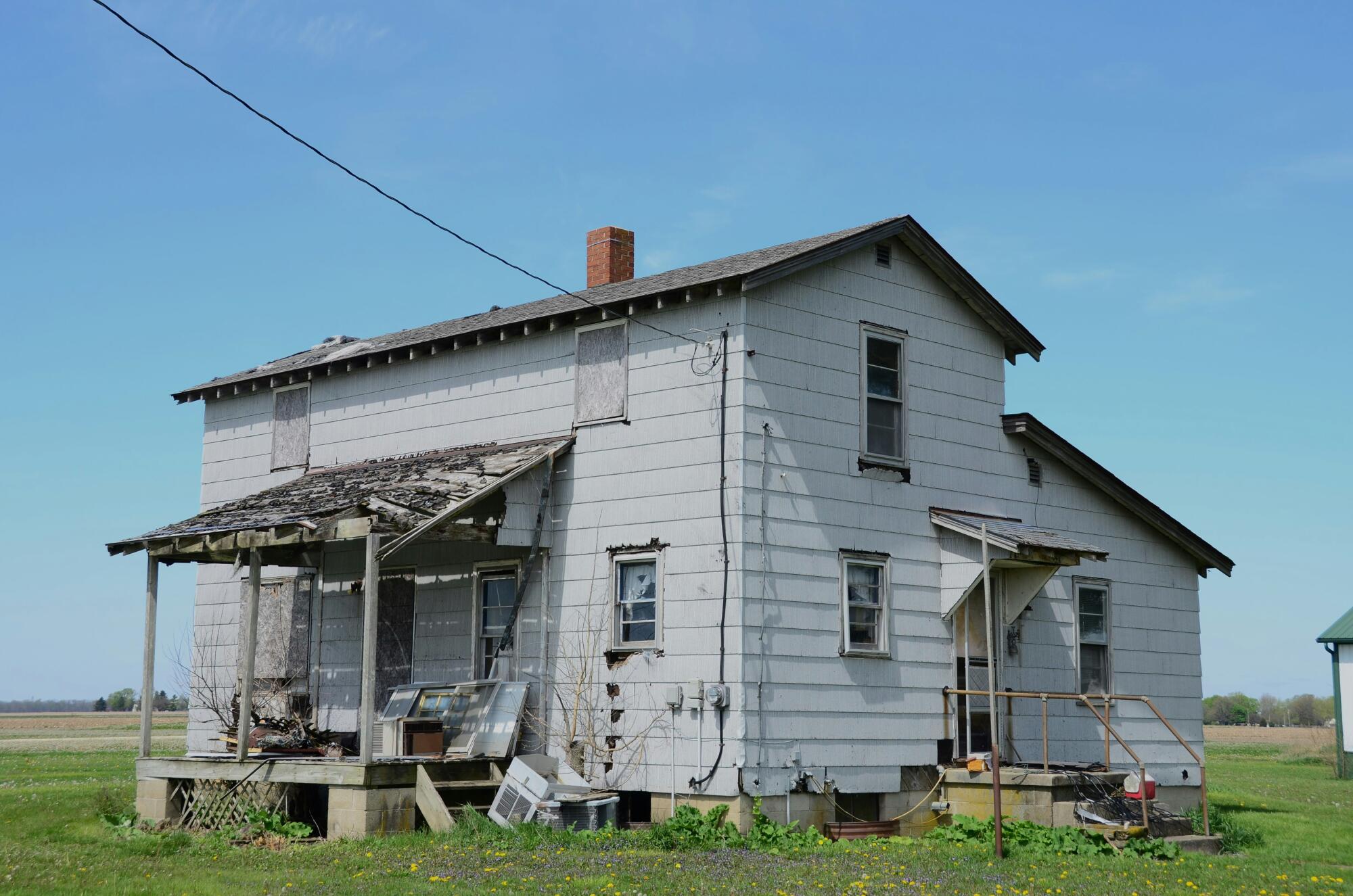
A house with structural problems can still be sold without making repairs when sellers work with buyers who specialize in distressed properties. Selling directly to these buyers allows for a faster closing and eliminates the cost and uncertainty of renovations.
Census data from the National Association of Homebuilders reveals that nearly half of the owner-occupied homes in the U.S. were built before 1980. This gives them a median age of 41 years.
Fixing structural issues can often be more trouble than it’s worth before selling. The costs and timelines frequently outweigh any potential increase in resale value.
Selling a home in as-is condition can appeal to investors and cash buyers who prioritize opportunity over cosmetic perfection. Learn more helpful home-selling tips in Memphis, TN, below.
Can You Sell a House with Structural Problems without Doing Major Repairs?
According to a USA Today survey, 15% of homeowners are putting off home repairs indefinitely. Another one-third are waiting a year or two before committing to home upgrades.
Putting off home repairs over time greatly affects its long-term value. However, selling a house with structural problems without major repairs is achievable.
Homeowners can identify areas that remain functional despite visible damage. Highlighting these practical aspects in listings helps demonstrate the home’s usability.
Planning the timing of home showings ensures the best possible presentation. Tracking interest and inquiries carefully helps manage offers efficiently.
Staying organized allows sellers to complete the sale with confidence and clarity.
How Does Fixing Structural Issues Influence Buyer Confidence and Offers?
Addressing structural issues can significantly impact buyer perception. Homes with documented repairs feel safer and more reliable.
Buyers are often willing to make stronger offers when they see completed work. Certified inspections or contractor reports add credibility.
Even making minor structural improvements can reduce negotiation hesitation. Visible repairs signal that the property has been maintained.
Instilling greater confidence in the home’s integrity can shorten the decision-making process. Potential homebuyers may feel less risk in financing or investing in the property.
Because of this, fixing issues directly influences how buyers value the home and can result in more competitive offers.
Should You Disclose Foundation or Framing Problems When Selling?
Disclosing foundation or framing problems is essential for transparency. Buyers expect accurate information to make informed decisions.
Failing to disclose issues can lead to legal disputes after the sale. Clear communication about known issues establishes trust between sellers and buyers.
Documentation from inspections or engineers strengthens credibility. Explaining the history of repairs or monitoring helps buyers understand the property’s condition.
Honest disclosure can prevent prolonged negotiations or last-minute deal cancellations. Providing detailed reports allows buyers to plan for future maintenance.
Being upfront demonstrates professionalism. Proper disclosure helps maintain a smoother transaction and protects sellers from potential liability.
Is Selling a Home in As-Is Condition a Practical Option for Structural Damage?
PennyMac reveals that selling a house “as-is” can get sellers between 75% and 95% of their home’s value. This is dependent on factors such as market conditions and the severity of necessary repairs.
Even with a considerable decrease in the home’s overall value, selling a home in as-is condition can be a practical choice when structural damage exists. Buyers adjust their expectations to the property’s condition.
Offers, in turn, reflect the associated risks. Sellers avoid the complexity and cost of repairs, keeping timelines more predictable.
Pricing negotiations focus on value rather than renovation demands. For many owners, selling as-is provides certainty.
What Types of Structural Issues Raise the Most Buyer Concerns?
Buyers are often most concerned about foundation problems. Cracks or uneven floors suggest long-term costs.
Roof issues signal potential structural failure. This includes sagging areas or persistent leaks. Damaged framing can cause walls or ceilings to bow.
Termite infestations can weaken framing and compromise stability. Orkin rates Memphis, TN, as the 22nd most termite-infested city. They also report that termites cost homeowners $5 billion a year in damages.
Fire damage may affect structural integrity and safety. Water intrusion in basements indicates structural deterioration.
Electrical or plumbing issues caused by structural defects may require costly repairs. Early identification of structural damage helps sellers address concerns before listing.
How Do Real Estate Market Strategies Change for Structurally Challenged Homes?
Selling structurally challenged homes requires adjusted market strategies. Pricing must account for repair needs and perceived risk.
Comparative market analysis often includes similar distressed properties. Listings may highlight potential return on investment rather than aesthetic appeal.
Marketing channels can shift toward platforms that attract active renovators or investors. Timing the listing with market trends helps maximize visibility.
Monitoring interest and adjusting strategy ensures continued buyer engagement. Offering flexible terms or incentives can make offers more competitive.
Carefully reviewing comparable sales guides informed decision-making. Strategic planning aligns expectations and improves the likelihood of a successful sale.
What Legal Risks Come with Selling a Structurally Compromised Property?
Selling a structurally compromised property carries legal risks if issues are undisclosed. Buyers may pursue lawsuits for misrepresentation or fraud.
Incomplete documentation can complicate negotiations or closing. Local disclosure laws often require reporting known defects.
Failure to comply with state and local laws can result in fines or legal action. Even minor omissions can trigger liability.
Any sales contracts should clearly outline the property’s condition. Working with a real estate attorney helps ensure compliance.
Diligent record keeping protects sellers if disputes arise. Understanding state-specific regulations reduces exposure.
Being proactive about documentation and disclosure minimizes legal complications during and after the sale.
Why Do Some Buyers Target Homes With Structural Problems?
Some buyers specifically target structurally compromised homes known as distressed properties. They see opportunities to purchase a property below market value and renovate for profit.
Certain buyers may enjoy the ability to customize and upgrade the property to their preferences.
Bargain pricing makes these homes attractive compared to fully updated properties. Homes in desirable locations with needed repairs attract targeted attention.
Flippers and renovators calculate repair costs against expected resale gains. Long-term investors may accept structural issues if the rental income potential is strong.
Recognizing these motivations helps sellers anticipate interest. Doing so allows them to position their property strategically.
Frequently Asked Questions
How Long Does It Typically Take to Sell a Home with Structural Concerns?
Homes with structural concerns often take longer to sell than standard properties. Buyers usually request additional inspections and evaluations.
A listing of a house with structural problems may attract a narrower pool of buyers. Marketing strategies and pricing adjustments affect the timeline.
Sellers should expect longer negotiations due to repair and inspection considerations. Experienced agents can help manage expectations.
Flexible showing schedules maintain buyer interest. Clear communication prevents misunderstandings and keeps the process moving efficiently.
Will Lenders Approve Financing for Buyers Purchasing a Structurally Challenged Property?
Lenders may be cautious when financing structurally challenged properties. Homes with significant damage often require additional inspections before approval.
Appraisals must accurately reflect the property’s condition. Some lenders limit loan amounts or require higher down payments.
Government-backed programs can offer more flexibility in certain situations. Buyers with strong credit and stable income have better chances of approval.
Providing detailed repair estimates can help lenders assess risk. Meeting lender requirements helps buyers plan financing effectively.
How Does House Repair and Selling Timing Affect Negotiations?
Timing repairs and listing a home strategically can influence negotiations. Completing minor fixes before selling may encourage stronger offers.
Delaying repairs can attract buyers seeking discounted or investment properties. Seasonal market trends affect buyer activity and competition.
Coordinating repairs with listing dates ensures the property is ready when interest peaks. Negotiation leverage can shift depending on visible progress and completed work.
Planning the timing carefully helps manage buyer expectations. It enables sellers to secure favorable terms.
Do Cash Buyers Evaluate Structural Defects Differently Than Traditional Buyers?
Cash buyers often prioritize speed and flexibility over conventional processes. They typically assess a property’s potential for investment or resale rather than immediate livability.
Structural defects may be seen as opportunities to negotiate price. These buyers are less constrained by loan contingencies.
Traditional buyers usually consider comfort and long-term safety. Observing how cash buyers weigh risks helps sellers adjust strategies.
This can improve overall negotiation approaches. As a result, sellers may receive more competitive offers.
What Home Selling Tips Help Position a Property with Known Structural Limitations?
Sellers can emphasize natural light and open layouts to enhance appeal. Highlight nearby amenities or community features that add value.
Using neutral staging draws attention to space rather than flaws. Incorporating high-quality listing photos showcases the home’s flow and potential.
Providing floor plans helps buyers visualize the property creatively. Utilizing clear listing descriptions focuses on lifestyle benefits.
Timely responses to inquiries maintain engagement. Using targeted local marketing and online platforms helps attract motivated buyers.
Streamline the House Repair and Selling Process with WeBuyHouses.com in Memphis, TN, Today
A house with structural problems can still sell successfully when the right buyers are targeted. Selling your house for cash allows for a faster transaction without costly repairs. Buyers purchase as-is, which simplifies the process and gives sellers financial security.
WeBuyHouses.com lets you sell your Memphis, TN, home for cash. We take the guesswork out of staging and put the cash in your pocket. Simply contact us about the home you want to sell, schedule a walkthrough, receive your cash offer, and decide when you’re ready to sell.
Contact WeBuyHouses.com to get your cash offer on your home today.