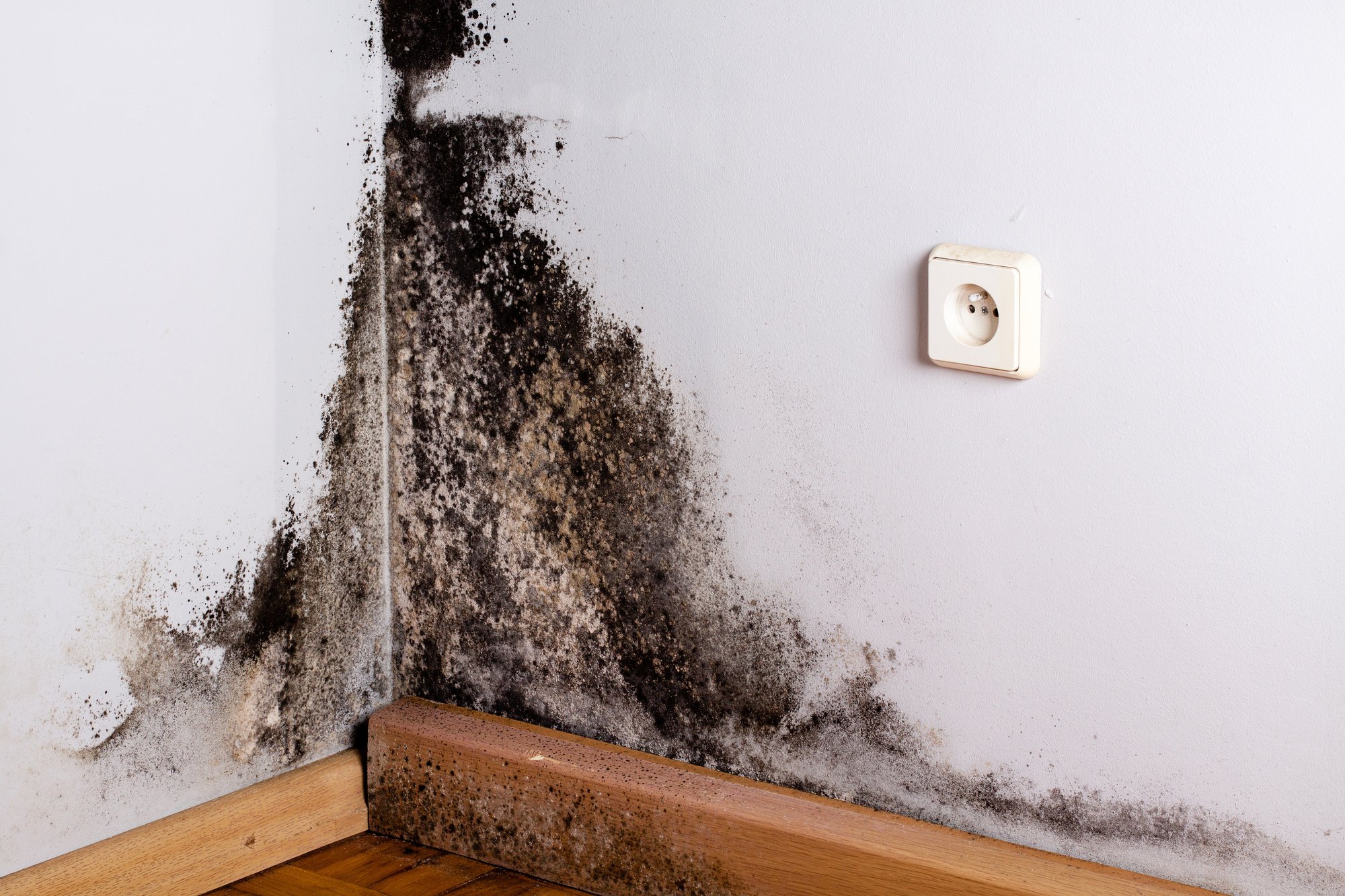
Can you sell a house with mold? Yes, and it happens more often than many homeowners expect.
In most cases, selling homes with mold is legal and achievable as long as sellers handle disclosure properly, understand how mold affects value, and choose the right strategy, whether that means remediation, pricing adjustments, or selling as-is. Mold does not automatically prevent a sale, but it does require informed decision-making.
Have you discovered mold in your home and wondered whether it just ruined your chances of selling? The good news is that real estate mold issues are common, and buyers, lenders, and inspectors encounter them regularly.
Take a closer look at how mold impacts value, disclosure rules in Tennessee, and practical property selling tips that help protect your home’s potential.
Does Mold Decrease the Value of a Home?
Mold can reduce a home’s value, although the impact depends on visibility, extent, and buyer perception. Many buyers see mold as a warning sign, which often leads to lower offers or tougher negotiations when selling homes with mold.
There are three main ways mold affects value:
- Buyer perception and fear
- Appraisal and financing challenges
- Long-term property condition concerns
Buyer Perception and Fear
Most buyers react strongly to visible mold. They often worry about health risks, hidden damage, and future repair costs.
Real estate mold issues tend to raise doubts, even when the problem looks minor. A home with mold can feel risky, which pushes buyers to ask for price reductions or walk away.
Appraisal and Financing Challenges
Appraisers and lenders treat mold as a condition issue. If an inspection flags mold, the appraised value may drop.
Some loans require repairs before approval. These hurdles slow down transactions and affect pricing, especially when house damage management has not been addressed.
Long-Term Property Condition Concerns
Buyers often link mold to moisture problems that can weaken walls, flooring, or framing. Even small patches raise questions about maintenance history.
When buyers expect future repairs, they factor those costs into their offers, which lowers perceived value.
Do You Have to Disclose if Your House Has Mold in Tennessee?
Tennessee law requires sellers to disclose known material defects, and mold often falls into that category. When a homeowner knows about mold and its cause, disclosure usually applies. Real estate mold issues tied to:
- moisture
- leaks
- or past water damage
carry weight during a sale.
Tennessee uses a residential property condition disclosure form. Sellers must answer honestly based on what they know at the time of listing.
If mold has appeared before, or if repairs addressed moisture problems, buyers expect that information. Silence creates risk when buyers later find evidence that suggests prior knowledge.
Disclosure does not mean a home becomes unsellable. Many buyers continue forward once they understand the scope of the issue.
Clear details help control the story and support smoother negotiations. Selling homes with mold often works better when sellers explain what happened, how repairs were handled, and whether problems returned.
Failure to disclose known mold can lead to legal trouble after closing. Buyers may claim misrepresentation or fraud if records or inspections reveal earlier awareness.
Property selling tips often stress honesty for that reason. Accurate disclosure builds trust and lowers the chance of disputes, while vague answers often raise suspicion and stall deals.
Can You Sell a House With Mold?
Yes, you can sell a house with mold, and many homeowners do. The outcome depends on how the issue gets handled, how buyers view the risk, and how the home enters the market.
Four factors usually shape the sale:
- Legal ability to sell
- Extent of the mold problem
- Disclosure and transparency
- Type of buyer
Legal Ability to Sell
From a legal standpoint, selling homes with mold is allowed in most cases. Mold does not block a transaction on its own.
Sales move forward when sellers follow disclosure rules and respond honestly to buyer questions. The law focuses on what the seller knows, not the presence of mold alone.
Extent of the Mold Problem
Minor surface mold raises fewer concerns than widespread growth tied to moisture damage. Buyers react based on what inspections reveal.
Homes with limited issues often sell with modest price adjustments. Severe cases change the buyer pool and affect timelines.
Disclosure and Transparency
Clear disclosure shapes trust. Buyers feel more comfortable when sellers explain the cause, past repairs, or steps taken toward mold remediation. Real estate mold issues become easier to manage when information comes early.
Type of Buyer
Some buyers avoid any risk. Others focus on price and potential. Investors and renovation buyers often see opportunity, which keeps deals possible.
Understanding Mold Severity and Its Impact on Sales
Mold problems do not all carry the same weight during a home sale. Buyers and inspectors react based on how widespread the mold appears and what it suggests about the home’s condition.
There are three main levels buyers tend to focus on:
- Cosmetic surface growth
- Environmental mold concerns
- Structural and systemic damage
Cosmetic Surface Growth
Small patches on bathroom walls or around windows often fall into a cosmetic category. Buyers usually see these as cleanup issues rather than signs of deeper trouble.
Real estate mold issues at this level may lead to minor negotiations but rarely stop a sale.
Environmental Mold Concerns
Mold tied to humidity, ventilation, or minor leaks raises more questions. Buyers want to know whether moisture problems still exist.
Inspections often recommend further testing. House damage management becomes part of the conversation, and pricing flexibility often helps keep deals moving.
Structural and Systemic Damage
Mold connected to framing, subfloors, or long-term water intrusion signals a higher risk. Buyers expect repairs, longer timelines, or professional mold remediation.
Many traditional buyers step back, while investors stay engaged. Sales still happen, though pricing reflects repair costs and uncertainty.
Mold Remediation Options Before Listing Your Home
Mold remediation often comes up when sellers want to protect value and reduce buyer concerns. The right approach depends on cost, timing, and how much risk a seller wants to carry into negotiations.
There are three common remediation paths sellers consider:
- Professional remediation services
- Limited or targeted cleanup
- Selling without remediation
Professional Remediation Services
Hiring licensed professionals offers the most thorough fix. Teams identify moisture sources, remove affected materials, and treat surrounding areas.
Documentation from mold remediation helps reassure buyers and lenders. House damage management improves when sellers can show that repairs addressed both mold and moisture.
Limited or Targeted Cleanup
Some sellers choose to address only visible areas. Surface cleaning and small repairs cost less and take less time.
This option works best for minor problems that inspections confirm as contained. Buyers may still ask questions, though pricing often reflects reduced uncertainty.
Selling Without Remediation
Selling as-is remains an option when repair costs feel too high. Investors and renovation buyers often accept this route. Property selling tips stress transparency here, since buyers expect discounts that reflect future repair work.
Frequently Asked Questions
Is Mold Always a Deal-Breaker for Buyers?
Mold does not automatically end buyer interest. Many buyers focus on cost, location, and their plans rather than perfection.
When pricing reflects the condition, interest often stays strong. Investors and renovation buyers tend to stay open-minded, while traditional buyers may hesitate.
Clear information often keeps conversations going rather than stopping them.
Can Mold Affect a Buyer’s Ability to Get a Mortgage?
Yes, mold can affect financing. Some lenders require repairs before approving loans, especially when inspections flag health or safety concerns.
Government-backed loans often apply stricter standards. Conventional loans offer more flexibility, though appraisers may still require mold-related repairs before closing.
Should You Get a Mold Inspection Before Listing Your Home?
A pre-listing mold inspection gives sellers control over information. Knowing the scope early helps plan pricing, repairs, or disclosures.
Reports can reduce surprises during buyer inspections. Some sellers prefer waiting, though that approach carries more risk during negotiations.
How Long Does Mold Remediation Typically Take?
Timelines vary based on severity. Small projects may finish within a few days.
Larger jobs tied to moisture repairs can take weeks. Scheduling inspections and clearance testing adds time. Planning helps sellers avoid rushed decisions.
Can Selling “As-Is” Protect You From Mold Liability?
Selling as-is does not remove disclosure duties. Sellers still need to share known issues.
As-is sales shift repair responsibility, not honesty requirements. Buyers expect price adjustments when risks remain, though liability risks stay lower when disclosures stay clear.
Property Selling Tips in Memphis
So, can you sell a house with mold? Now you know!
Selling a home with mold brings challenges, though it rarely stops a sale outright. When sellers stay honest, price realistically, and plan, deals often move forward.
At We Buy Houses, we’re a trusted cash home buyer serving Memphis homeowners for decades. Our team has purchased, renovated, sold, and rented hundreds of local single-family homes, giving us real market experience and the ability to act quickly.
When sellers reach out to us, they work directly with professionals who offer fair cash prices, reliable closings, and a straightforward way to sell a house fast in Memphis. Get in touch today to find out how we can help with your home sale.