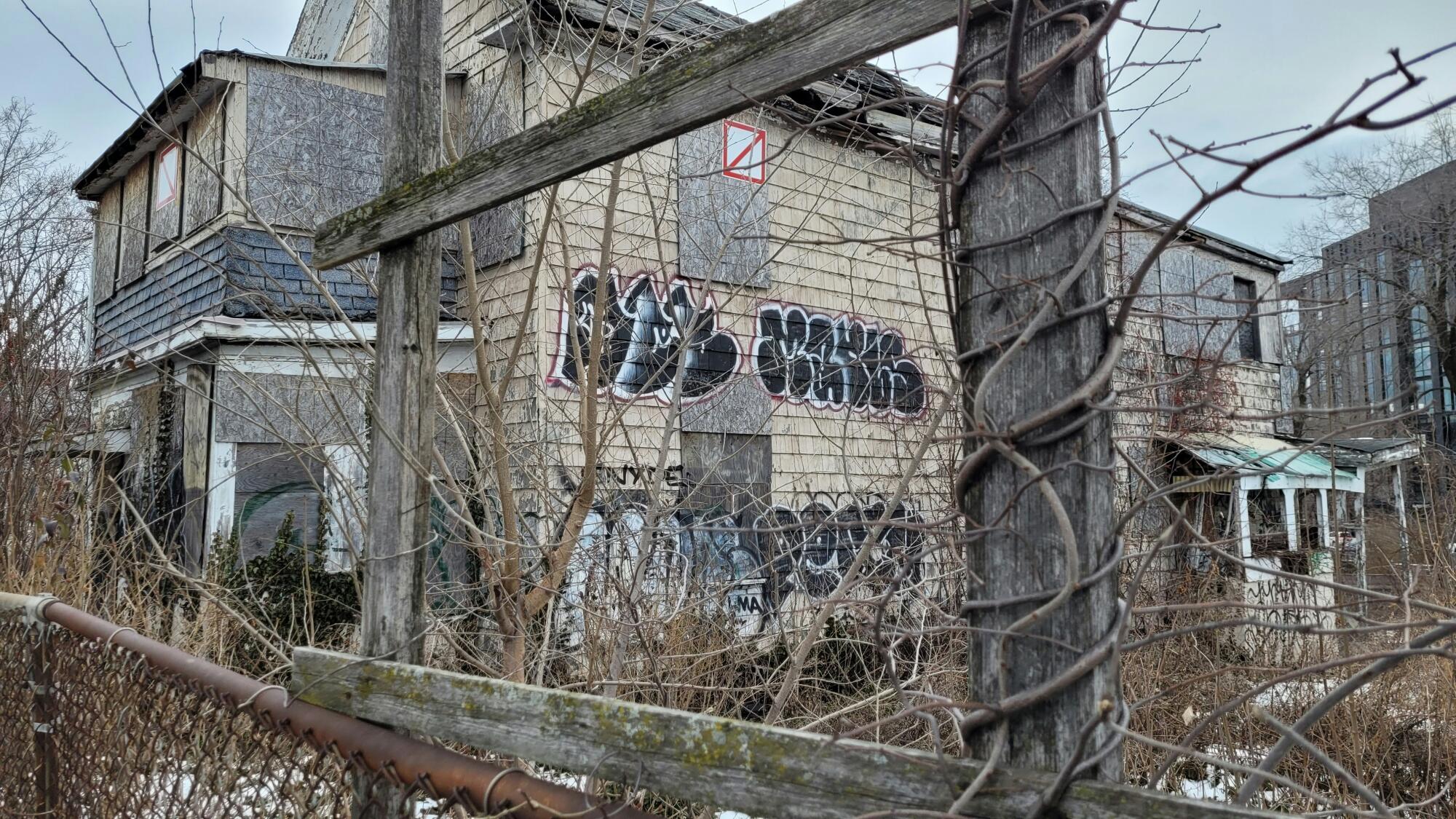
Can you sell a condemned house? Yes, you can; doing so may help reduce fines and potential legal risks. You can sell as-is, make repairs, or sell the land post-demolition for flexibility and quick cash.
A report by ATTOM Data Solutions, posted by National Mortgage Professional, reveals that about 63% of vacant U.S. homes are investor-owned. This shows that investors are often willing to buy properties that traditional buyers avoid.
Selling a condemned property can free up cash and remove the stress of ongoing obligations. Understanding your options, legal responsibilities, and potential benefits makes it easier to make a confident, informed decision.
What Is a Condemned House?
A condemned house is a property that has been deemed unsafe for habitation by local authorities. This may be due to serious structural damage, code violations, or health hazards, which affect:
- Electrical or plumbing issues
- Structural instability
- Fire, water, or pest damage
Understanding the home’s condition helps you evaluate condemned house options and communicate clearly with potential buyers. It also allows you to prioritize the most critical steps before selling.
What Are the Legalities of Selling Condemned Homes?
Selling a condemned home comes with legal obligations that vary based on local regulations and the property’s condition. In many areas, a sale cannot move forward until certain administrative and regulatory requirements are met.
Key legal considerations include:
- Clearing outstanding liens or fines
- Obtaining required inspections or permits
- Preparing and submitting mandatory documents
Carefully handling these requirements ensures compliance with local laws and reduces legal risks. It also helps create a smoother transaction by building buyer confidence and preventing unnecessary delays.
Real Estate Challenges Unique to Condemned Homes
Selling a condemned house presents practical obstacles that complicate the process compared to selling standard homes. Buyers must assess the level of work required and the risks involved, which can limit interest.
Common challenges include:
- Smaller pool of interested buyers
- Complex permit and code requirements
- Time-consuming preparation and inspections
Being aware of these hurdles helps you plan a realistic selling strategy. It also allows you to focus on buyers who are experienced with selling condemned property.
Does Condemnation Affect Property Value?
Condemnation has a direct impact on your home’s market price. Offers usually reflect the difficulties of occupying or redeveloping the property, which include:
- Safety hazards within the structure
- Outstanding code violations or fines
- Restrictions on property use
Understanding these effects allows you to set realistic price expectations. It also helps you target buyers who value the property appropriately and are prepared to handle its condition.
Condemned House Options for Homeowners
Dealing with a condemned property can feel overwhelming, but you do have options to move forward. Choosing the right approach depends on your budget, timeline, and goals. Here are the main ways you can handle a condemned home:
Sell the Property As-Is
Selling without repairs is often the fastest option. Investors or cash buyers expect to handle renovations or demolition themselves. This approach reduces ongoing maintenance and fines while allowing you to close quickly.
Make Targeted Repairs
Some homeowners choose to fix specific violations to lift the condemnation. Focus on the issues that block habitation or legal occupancy. This can attract more buyers and potentially increase the sale price.
Demolish and Sell the Land
If repairing a condemned property is too costly, demolishing the structure can unlock the value of the lot. This approach often attracts buyers interested in redevelopment or construction. Key points to consider are:
- Demolition costs and permits
- Potential buyers for vacant land
- Opportunities for new construction or development
Removing the structure eliminates hazards and enhances the property’s appeal. It also expands your pool of potential buyers and simplifies the selling process.
Hold the Property
Keeping the property is an option if you’re planning future development or waiting for market conditions to improve. However, ongoing maintenance, fines, and liability may accumulate over time.
Planning helps to minimize costs while you decide your next step.
Benefits of Selling a Condemned House Sooner Rather Than Later
Holding onto a condemned property can lead to rising expenses and increased legal exposure over time. Selling sooner allows you to limit losses and move forward with a clearer, more efficient plan.
Key benefits include:
- Reducing accumulated fines and penalties
- Cutting ongoing maintenance and holding costs
- Lowering legal and liability risks
- Unlocking cash for other priorities or investments
Acting early helps protect your finances and reduces the stress of managing a high-risk property. It also makes it easier to attract motivated buyers who are prepared to close quickly.
Who Typically Buys Condemned Homes?
Not every buyer is prepared to take on a condemned house. Most interest comes from those who can handle the risks and costs involved.
Common buyers include:
- Investors seeking renovation opportunities
- Developers planning new construction
- Municipal or redevelopment programs
Knowing who is likely to buy helps you target the right audience. It also makes the selling process faster and more efficient.
Common Mistakes to Avoid When Selling Condemned Property
Selling a condemned house can be complex, and certain missteps may cost time and money. Being aware of these mistakes can help you navigate the process more effectively. Common pitfalls include:
- Hiding code violations or hazards
- Overpricing based on emotional attachment
- Ignoring local regulations
- Choosing the wrong selling strategy
Avoiding these errors ensures a smoother transaction and reduces legal or financial risk. It also improves your chances of attracting the right buyers and completing the sale efficiently.
How to Ensure You Get the Best Return When Selling for Cash
Selling a condemned property for cash can be quick, but you still want to maximize your return. Taking the right steps helps you get a fair offer and avoid leaving money on the table. Consider the following strategies:
- Research local cash buyers and investors
- Get multiple offers to compare prices
- Disclose all property details upfront
- Highlight features that add value, like land size or location
At WeBuyHouses.com Memphis, we focus on giving homeowners a fast, fair, and transparent cash offer. Our goal is to make the process simple while helping you get the best possible return on your property.
Frequently Asked Questions (FAQs)
How Long Does It Take to Sell a Condemned Property?
The timeline depends on your approach and the buyer. Selling as-is to an investor can close in a matter of weeks.
Repairing the property or selling through traditional channels can extend the process to several months. Planning helps you manage expectations and deadlines.
Do Liens or Unpaid Taxes Transfer When Selling Condemned Property?
Yes, any liens or unpaid taxes on your property usually stay with it until they are resolved. You need to know about them because buyers will factor these obligations into their offer.
Some buyers might pay off liens during the sale, while others may reduce their cash offer to cover them. Being aware of this upfront helps you avoid surprises and ensures your sale goes smoothly.
How Long Does a Condemnation Order Last on a Property?
A condemnation order typically stays in effect until the property is brought up to code or the issues are resolved. The exact duration depends on your local regulations and the severity of the violations.
In some cases, the order can remain indefinitely if no action is taken. Knowing this timeline helps you plan your next steps and decide whether to repair, sell, or demolish.
What Are the Typical Costs Involved in Selling Condemned Property?
Selling a condemned property can involve several costs that you should plan for. These might include:
- Unpaid taxes
- Outstanding fines or liens
- Fees for inspections or permits
If you choose to make repairs or prepare the property for sale, labor and material costs can add up as well. Understanding these expenses upfront helps you set realistic expectations and ensures you don’t face surprises during the sale.
What If You’re an Out-of-State Owner With a Condemned House?
You can still sell your condemned property even if you’re out of state. Remote sales are feasible by granting a power of attorney or authorizing a local agent or attorney to handle inspections and closings.
Using virtual tours and certified property reports helps attract serious investors. This approach lets you manage the sale efficiently without being on-site.
Are There Tax Benefits to Selling a Condemned House Quickly?
Yes, selling a condemned property quickly can offer potential tax advantages. By closing sooner, you may reduce property tax obligations, ongoing maintenance costs, and possible penalties.
Consulting a tax professional ensures you understand all applicable benefits and plan the sale strategically.
Can You Sell a Condemned House? Take Action and Maximize Your Return Today
If you’re wondering, ‘Can you sell a condemned house?’ The answer is yes. By understanding your choices, legal requirements, and potential buyers, you can take control of the process.
Act now to maximize your return and move forward with confidence.
At WeBuyHouses.com Memphis, we are the leading cash home buyers with decades of experience buying, renovating, and selling homes across Memphis and the surrounding areas. Our team has purchased hundreds of houses and has the cash and expertise to provide fast, fair offers.
Led by Peyton Clark, we handle every step professionally and transparently, with no hidden fees or commissions. Contact us today for your cash offer.